
Key Takeaways
- Regular cleaning focuses on routine household cleanliness
- Bond cleaning is a detailed end-of-lease cleaning service
- Bond cleans cover areas often missed during routine cleaning
- The entry condition report can guide your final cleaning
- Cleaning should account for fair wear and tear
- A professional bond clean can save time before moving
- Always check your tenancy agreement for specific requirements
- Take photos after cleaning for your records
Maintaining a rental property clean can have a variety of meanings depending on your situation. A routine clean helps with everyday hygiene and presentation, while bond cleaning in Toowoomba involves thoroughly cleaning a rental property after the rent has been paid and before the final landlord inspection. Understanding the difference between regular cleaning and bond cleaning services can help you choose the right option for your needs. It may also help you avoid forgotten cleaning tasks on moving day. In general, an Australian tenant is required to return a rental property in the condition it was found, allowing for reasonable wear and tear.
In this blog, we will cover the key contrasts of regular and bond cleaning. We’ll also tell you what each service entails and when to use them.
Table of Contents
What Is Regular House Cleaning?
General housecleaning is meant for maintaining cleanliness in a house on a regular basis. It helps to keep the bathroom clean, fresh and presentable which is used on daily basis. Common tasks done by many households involve vacuuming, mopping and dusting or simply cleaning up bathrooms. Also cleaning kitchen countertops and basins is a regular activity apart from other spots in the house visited frequently. Regular cleaning tends to focus on surface soils and daily dirt. Regular cleaning can also help make a bond clean easier later. Regular maintenance means you don’t have to scour away thick layers of grease, layers of dust or old stains.
What is a Bond Clean?
A bond clean is a comprehensive cleaning after a lease is held on a rental property. It ready a rental home for the return of the landlord or agent after the lease end. It is also known as vacate cleaning, end-of-lease cleaning or end of tenancy cleaning. The idea is to meet the needs of property cleaning prior to the final walk-through. These could be window tracks, skirting boards, inside cupboards, ceiling fans and even some soap scum and limescale removal from shower screens. The precise obligations may differ from one let agreement to the next and different properties. Your entry condition report is a vital reference point when you clean up for good.
Regular Clean vs Bond Clean Difference
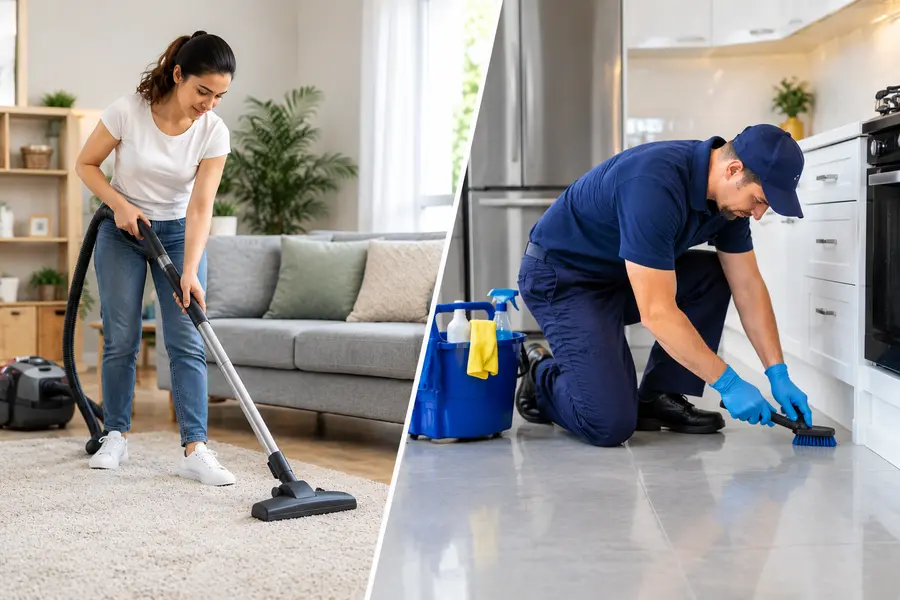
The main distinction is the intent, detail and scope of each service. Upkeep cleaning keeps you up homey clean while you reside there. Bond cleaning is about getting the home ready for handover. A routine cleaner may wipe down the kitchen benchtop and door-fronts of cupboards. A bond cleaner might clean inside cupboards, drawers and the oven as well. Daily cleaning products for your bathroom might fit into bathroom upkeep. Tiles, grout, shower screens and fixtures generally need more attention when you’re bond cleaning.
The following table makes the distinction easier to understand.
| Cleaning Area | Regular Clean | Bond Clean |
| Dusting | Routine surfaces | Detailed surfaces |
| Vacuuming | Floors and accessible areas | Floors, edges and corners |
| Mopping | Regular floor cleaning | Detailed floor cleaning |
| Kitchen | Benchtops and surfaces | Kitchen and internal areas |
| Oven | Often excluded or basic | Detailed oven cleaning |
| Cupboards | Exterior | Interior and exterior |
| Windows | Selected areas | Tracks and accessible glass |
| Bathrooms | Routine cleaning | Detailed deep cleaning |
| Skirting boards | As needed | Usually detailed |
| Final inspection | Not the main purpose | Main purpose |
This is the a regular clean vs bond clean clean difference when moving out that you want to know. A property can look clean but have pockets that need extra love.
What Does A Bond Clean Include?
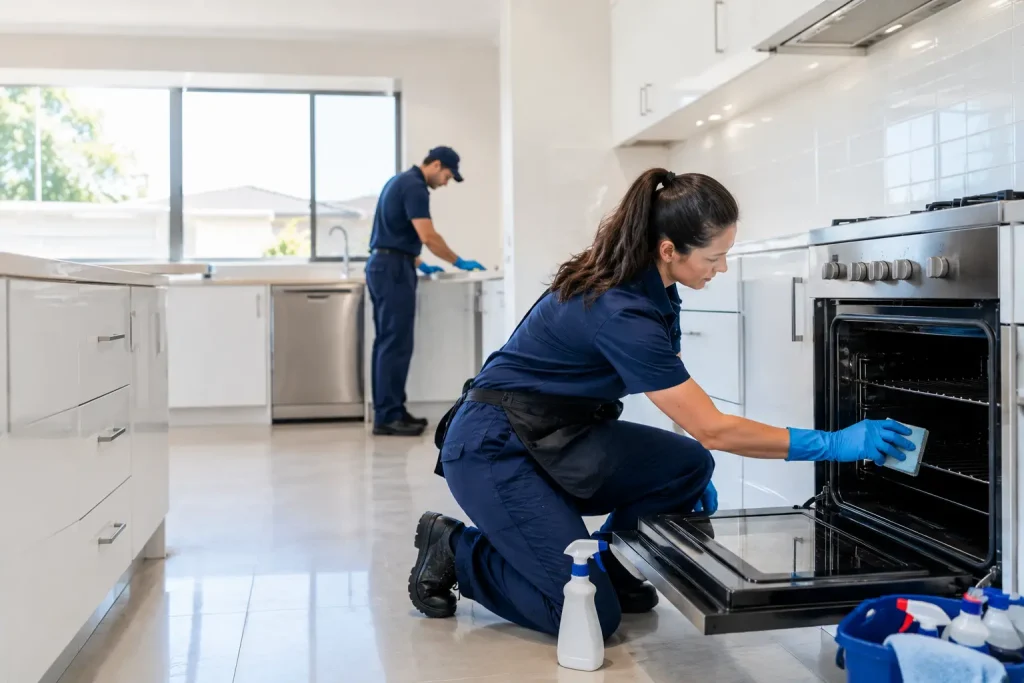
Bond cleaning tends to include whole rooms and all surfaces within them. The specific check list will vary depending on the property, its state and your local tenancy regulations.
A typical bond cleaning checklist may include:
- Dusting walls and ceilings where appropriate
- Cleaning skirting boards
- Vacuuming and mopping floors
- Cleaning kitchen surfaces
- Degreasing the stovetop
- Cleaning the oven and rangehood
- Wiping cupboard interiors
- Cleaning sinks and taps
- Scrubbing bathroom surfaces
- Cleaning shower screens
- Removing built-up soap residue
- Cleaning mirrors
- Dusting light fittings
- Cleaning ceiling fans
- Cleaning accessible window areas
- Removing rubbish from the property
Light fittings, ceiling fans, air conditioning vents, cupboards, wardrobes and the oven are among the areas that RTA Queensland suggests be cleaned. Not all services process carpet cleaning, pest treatment, exterior work or specialised stain removal. Check that these are included before you book.
When Do You Need Regular Cleaning?
Standard schedule cleaning works perfectly for the occupants who are still living in the premises and it helps prevent the daily buildup of dust dirt crumbs and other house debris
You may choose regular cleaning if:
- You want routine home maintenance
- You have limited time for household chores
- You want to maintain bathrooms and kitchens
- You are preparing for guests
- You want to prevent dirt accumulation
- You are not currently moving out
Routine cleaning can also prevent carpets, floors and surfaces from being overly laden. Nevertheless it should not be deemed as an end of lease clean replacement. If you’re ending your tenancy, compare the condition of your home now with the entry condition report. This gives you a practical base for the final cleaning plan.
When Do You Need Bond Cleaning?
Bond cleaning is generally suitable when you are about to move out of a rental property. It’s particularly useful where the property requires a thorough clean before the final inspection. Don’t leave everything until moving day get a head start on plans. RTA suggests to commence cleaning prior to vacating and conduct the final clean or repairs on the day itself. A bond clean may be appropriate in the following situations:
- Your lease is ending
- You have moved your belongings out
- A final inspection is approaching
- The property has accumulated heavy grime
- You need detailed end-of-lease cleaning
- You want help completing a large cleaning checklist
Keep in mind that professional cleaning is not necessarily required in all parts of Australia. Differences may occur between states and tenancy agreements. Generally, one cannot make the tenants in Queensland a contractual party by compelling them to engage with a particular cleaning company.
How To Choose The Right Clean
If you consider your condition at the moment, it might help you decide whether to get normal or deep cleaning.
| Your Situation | Better Choice | Main Reason |
| Still living at home | Regular clean | Maintains everyday cleanliness |
| Weekly household maintenance | Regular clean | Controls routine dirt |
| Moving out soon | Bond clean | Covers detailed exit cleaning |
| Final inspection approaching | Bond clean | Targets handover requirements |
| Heavy kitchen grease | Bond clean | Includes detailed kitchen cleaning |
| Empty rental property | Bond clean | Easier to clean thoroughly |
| Only need routine dusting | Regular clean | No full end-of-lease service needed |
Ask for a clear cleaning checklist before booking. See if the oven cleaning, windows, carpets and outdoor areas are included. Also compare the service with your condition report on entry. This will allow you to know which areas you need to give more attention.
Tips For A Successful Bond Clean
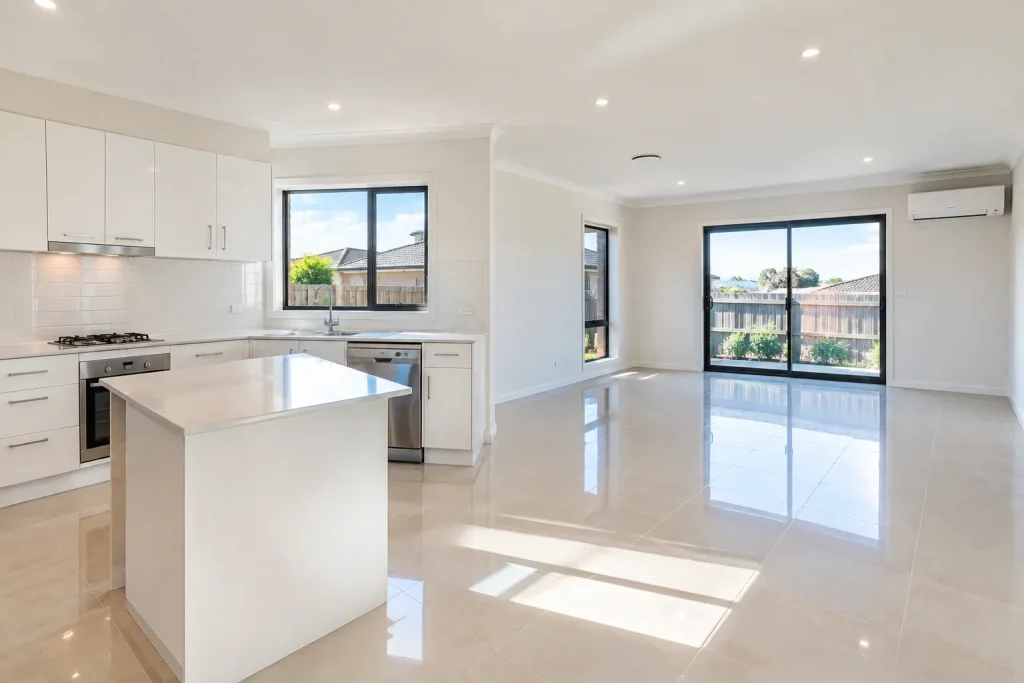
With a bit of planning your Toowoomba cleaning should be a breeze. Take your personal belongings out before the cleaners come. The cleaners will not be able to get their work done, if they are stuck behind your stuff, so empty your closet, cupboards and any other storage space. Walk through each room in the house. It will also help to prevent you from missing any tiny spots. Let the entry condition report be your guide. Inspect walls, floors, fixtures, appliances and outside areas for their original condition. Queensland’s RTA advises filling out the exit condition report and taking photos when moving out.
Avoid Common Cleaning Mistakes
One of the common mistakes is thinking that a regular clean will do at the end of a tenancy. It can potentially include ignored nooks and crannies like inside cupboards, window tracks and on the surfaces of appliances. Another mistake is to clean when you have not taken everything you want. TPack, dump your trash and then clean as much as you can at the end. Don’t ignore your entry condition report. And don’t think that a particular cleaning company can always be dictated to by a landlord. Please read your state or territory’s tenancy legislation and your agreement before booking.
Conclusion
Regular cleaning helps keep high-traffic carpets fresh and in good condition. Professional carpet cleaning benefits for high-traffic areas include removing embedded dirt, dust and stains that routine cleaning may not fully address. However, bond cleaning involves a more detailed clean when preparing a rental property for handover. If you are still living in the property, regular cleaning may be enough for routine maintenance. If you are moving out, follow a detailed rental cleaning checklist and compare it with your entry condition report and tenancy requirements.
Frequently Asked Questions
1. Is bond cleaning deeper than regular cleaning?
Yes, bond cleaning generally covers more detailed areas and focuses on preparing a rental property for handover.
2. Can regular cleaning replace bond cleaning?
Not always, regular cleaning may not cover detailed end of lease tasks such as oven, cupboard and window-track cleaning.
3. Does bond cleaning guarantee bond return?
No, cleaning service can guarantee a bond refund. The outcome can depend on property condition, damage, rent and tenancy requirements.
4. When should I book a bond clean?
Book it before your final inspection, allowing enough time for cleaning, checking and any necessary re-cleaning.